
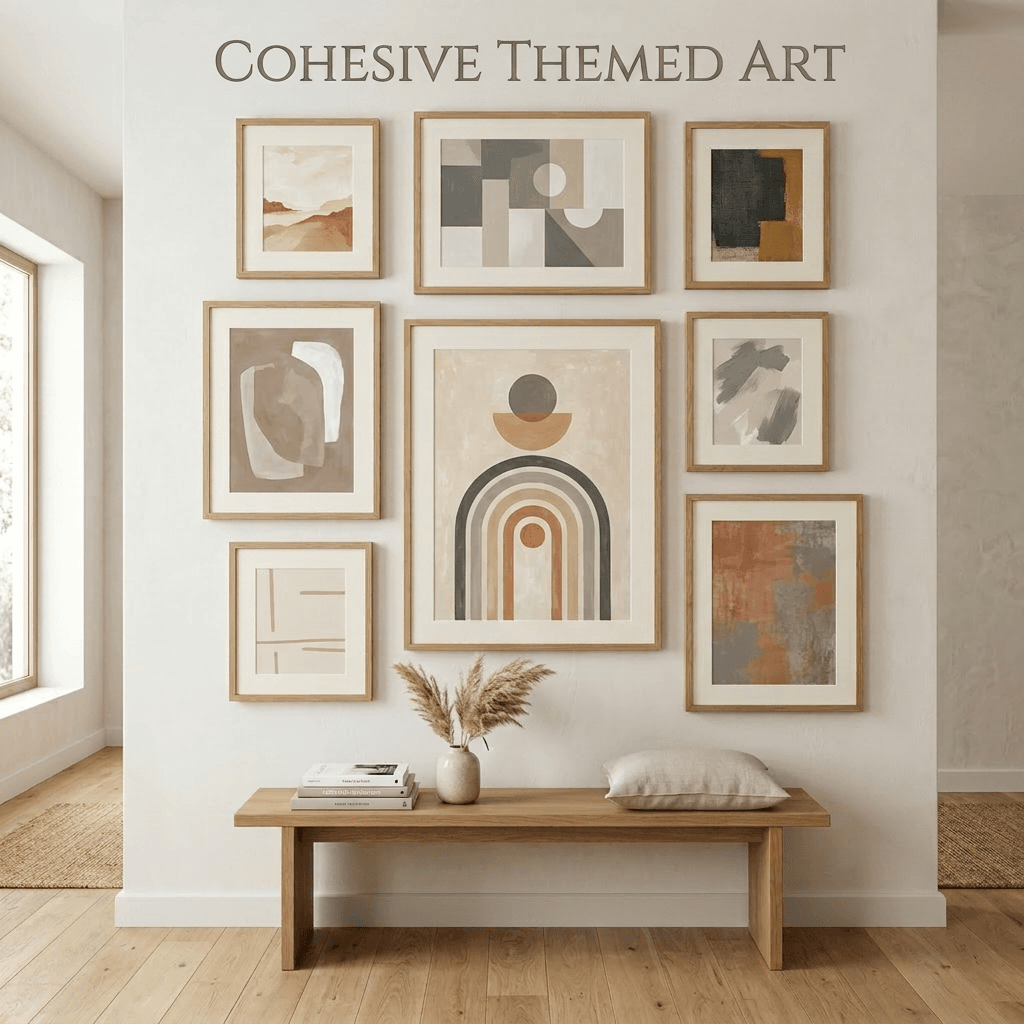
Imagine walking into a dark gallery where every painting breathes the exact same haunting rhythm, pulling your soul into a beautiful, tightly woven trap. That is the undeniable magic of choosing cohesive themed art projects. When you anchor your creative vision to a specific motif, your work transitions from single, disjointed pieces into a powerful, unified visual story.
If you want to captivate galleries, expand your portfolio, or simply conquer creative blocks, sticking to a core theme is your ultimate weapon. Let us dive into the precise strategies you need to build an elite, structured body of work, while ensuring every stroke carries purpose and power.
Why Did the Curator Burn the Masterpiece?
The gallery lights flickered as Clara stared at her canvas. Her hands trembled, stained with deep Prussian blue. She had spent exactly fourteen months preparing for her solo exhibition at the prestigious Metropolitan Museum of Art. Her chosen subject was The Illusion of Time.
Suddenly, the heavy oak doors swung open. Julian, the ruthless head curator, stepped inside the studio. His sharp eyes scanned her collection. He paused in front of her newest canvas—a beautiful but chaotic portrait of a bustling neon fish market.
“It is gorgeous, Clara,” Julian whispered, his voice dripping with ice. “But it is an absolute disaster for your gallery.”
Before she could speak, Julian grabbed a nearby palette knife. He sliced the canvas directly down the middle. Clara gasped, tears instantly pooling in her eyes.
“Why?!” she screamed, clutching the ruined fabric.
“Because it has absolutely nothing to do with The Illusion of Time,” Julian stated flatly. “An artist who chases every passing whim creates noise, not art. Your collection must sing a single, cohesive song. If a piece does not serve your theme, it is simply clutter. Focus your mind, Clara, or the art world will completely forget your name.”
Julian left, locking the door behind him. Clara stared at the shredded portrait. The brutal lesson pierced her heart. She dipped her brush back into the Prussian blue, finally understanding that true creative freedom thrives inside the boundaries of a singular, deep topic.
How Do You Select a Compelling Theme?
Finding your core focus requires looking inward while balancing global appeal. You must choose a concept that keeps you deeply engaged for months or even years.
- Audit Personal Obsessions: Look through your old sketchbooks for recurring symbols.
- Explore Dualities: Brainstorm topics like light versus shadow or nature versus industry.
- Research Art History: Look at how masters handled themed art projects over time.
Keep It Flexible: Ensure the topic is broad enough to yield twenty distinct pieces.
How Do You Maintain Deep Visual Cohesion?
True cohesion goes far beyond just painting the exact same subject repeatedly. You must tie your collection together using intentional, repetitive design elements.
- Restrict Your Palette: Use a locked set of five core colors across all pieces.
- Standardize Materials: Keep your surfaces identical, such as using only raw wood panels.
- Repeat Textures: Utilize consistent brushwork or layering techniques throughout.
- Vary Constraints: Keep the theme tight but change up your composition styles.
What Are the Best Ways to Outline Your Story?
A thematic collection should read like a book, guiding viewers through a clear beginning, middle, and end. Planning this progression keeps your audience moving intentionally through a physical gallery space.
- Map the Narrative: Treat your series like chapters in an overarching visual novel.
- Vary Visual Scale: Mix massive anchor pieces with smaller, intimate studies.
- Document Your Evolution: Write down your thoughts to build strong gallery descriptions.
- Seek Peer Feedback: Share your progress on platforms like Behance for critique.
How Can You Monetize a Cohesive Art Series?
A unified body of work is significantly easier to market and sell than a collection of random, mismatched paintings. Collectors love buying into a grand story.
- Target Specific Galleries: Pitch your cohesive theme to venues with matching aesthetics.
- Sell Companion Prints: Offer limited edition print sets of the entire series.
- Create a Catalog: Publish a high-quality physical book detailing your series’ journey.
- Launch Digital Content: Share behind-the-scenes progress videos on Instagram to drive interest.
