
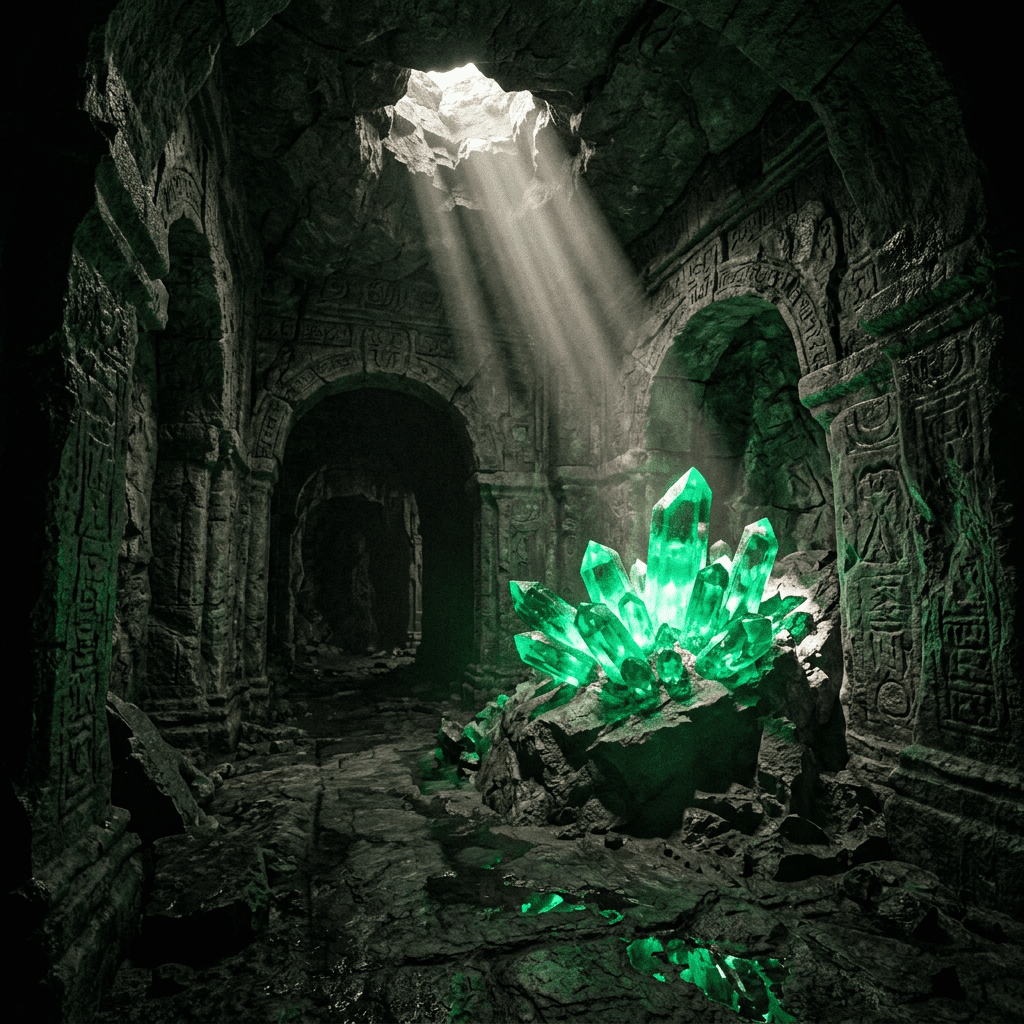
Before Colombia ever dropped its first emerald onto the global market, there was only one place on the planet where emperors, queens, and conquerors could source the ultimate green fire of luxury. Hidden deep within the sun-scorched, rugged mountains of Egypt’s Eastern Desert lies Wadi Sikait, home to the legendary Cleopatra’s Mines. In fact, booking an expedition to this ancient, ghost-town mining hub is the ultimate historical power move for any traveler obsessed with raw archaeology, ancient geopolitical drama, and high-octane treasures.
Forget about pristine museum display cases. Wadi Sikait is a raw, real-world open-air fortress of deep-earth tunnels, ancient stone mansions, and rock-cut temples that looks like a movie set. Here is your detailed, high-utility blueprint to the oldest emerald mines in the world, featuring a dramatic royal story that proves why people quite literally died for this green gold.
How Did a Fast-Talking Explorer Stumble Into a Lost Emerald Empire?
To understand how high-stakes the hunt for this desert treasure is, we have to travel back to a blindingly hot afternoon in 1817. Imagine a daring, eccentric French mineralogist named Frédéric Cailliaud leading a small caravan through the uncharted, mountain-shadowed valleys of the Wadi el-Gemal National Park. He wasn’t even looking for gems—he was scouting for sulfur deposits under the orders of Egypt’s ruler.
Suddenly, Cailliaud’s local guides navigated him through a tight mountain pass into a massive, hidden valley known to antiquity as Mons Smaragdus (Emerald Mountain). He looked up and his jaw hit the desert sand. Terraced along the cliffs were hundreds of ancient stone structures, three massive temples, and gaping dark entryways plunging deep into the mountain rock.
He had accidentally rediscovered the lost mining capital of the ancient world, a place missing for centuries. Consequently, he began crawling into the narrow, claustrophobic mine shafts using hand-held torches, pulling out glittering fragments of green beryl and proof of an epic, industrialized Roman mining network. As a result of that single, unexpected desert discovery, the modern world finally unlocked the true, fiery origin of the emeralds that adorned the crowns of Europe’s greatest rulers.
Why Was Cleopatra Obsessed With Monopolizing These Specific Desert Mines?
Moving forward from its dramatic 19th-century rediscovery, let’s look at the true historical weight behind Wadi Sikait. While mining first began under the Ptolemaic pharaohs, it was Queen Cleopatra VII herself who transformed the valley into a state-controlled, high-yield luxury monopoly.
- A Symbol of Royal Immortality: To Cleopatra, emeralds weren’t just pretty rocks to show off at royal dinners. The Egyptians viewed the rich green hue as the ultimate symbol of fertility, rebirth, and eternal youth.
- The Ultimate Political Flex: Cleopatra famously used her exclusive supply of Wadi Sikait stones to exert her political dominance. She didn’t just buy gifts; she had her royal likeness engraved directly onto massive emerald crystals and handed them out to powerful Roman generals and foreign ambassadors to secure alliances. If you were anyone of consequence in the ancient world, you wore her green gold.
What Ancient Architectural Treasures Are Still Standing in the Desert?
In addition to the vast underground network of mine workings, Wadi Sikait boasts an astonishing concentration of incredibly preserved structures that survived thousands of years of desert winds. If you map out an architectural survey of the valley today, these are the absolute highlights you will encounter.
1. The Rock-Cut Large Temple (The Serapis Sanctuary)
- The Details: Carved directly into the living rock face of the mountain is a spectacular, multi-chambered temple.
- The Significance: Dedicated to Graeco-Egyptian deities like Serapis and Isis, Roman miners and military commanders came here to offer prayers and votive gifts before descending into the dangerous mine shafts. Excavations here regularly uncover ancient amulets of Osiris and Harpocrates.
2. The Tripartite Building Complex
- The Details: A massive, multi-roomed, three-story stone structure dominating the valley floor.
- The Significance: Archaeologists believe this high-security complex served as both the elite administrative residence and the secure repository vault where raw emeralds were collected, sorted, and packed for armed military transport to the Nile.
3. The Hive of Cliff Dwellings
- The Details: Scattered along both sides of the wadi are hundreds of well-preserved stone houses built into the steep slopes.
- The Significance: These terraced rooms housed an active, booming community of thousands of Roman administrators, stone cutters, engineering experts, and soldiers who kept the industrial operation running.
How Did Nomad Rebels Turn a Roman Resource Colony Upside Down?
Ultimately, mixing an incredibly valuable commodity with a remote, isolated border outpost creates a perfect recipe for geopolitical warfare. Recent seasons of the ongoing Sikait Project have revealed a thrilling twist to the end of the mine’s history.
- The Blemmyes Attack: As the Western Roman Empire began to weaken between the 4th and 6th centuries AD, a fierce, nomadic warrior tribe known as the Blemmyes surged out of the Eastern Desert. They raided Roman supply lines and aggressively attacked the imperial garrisons.
- The Rebel Takeover: Instead of burning Wadi Sikait to the ground, the Blemmyes completely seized control of the emerald mines for themselves. They took over the temples, left their own ritual artifacts, and ran the lucrative emerald trade independently for generations before the mines were finally abandoned centuries later.
Final Thoughts: Are You Ready to Brave the Eastern Desert?
In short, the emerald mines of Wadi Sikait are a fierce, unforgettable monument to human ambition, luxury, and survival against the harshest elements on Earth. So, if you are planning a trip to Egypt and want to skip the standard, crowded tourist traps, grab a rugged 4×4 vehicle, hire a local desert guide, and head into the wild valleys of Wadi el-Gemal. Stand in the shadows of Cleopatra’s empire, peer into the ancient shafts, and own your ultimate adventure—because true luxury means exploring the places where history was written in stone.
