
Let’s take a little trip back in time—imagine the year is 1854, and you’re in Paris. Horse-drawn carriages clatter down cobblestone streets, and
travel is all the rage for the elite. But there’s a problem: luggage is clunky, heavy, and round-top trunks are just… impractical. Enter a young
man with vision—Louis Vuitton, a master trunk maker with a plan to change travel forever.
Humble Beginnings, Big Dreams
Louis started out working for a Parisian box-maker, learning the ins and outs of custom packing for aristocrats. He was a pro at fitting literally
anything into trunks, from gowns to top hats. At just 33 years old, he opened his own workshop and introduced a game-changer: the flattopped
trunk. Why? Because it was stackable. (Cue the collective “why didn’t anyone think of this before?” moment.)
It wasn’t long before Vuitton’s trunks became the must-have travel accessory for Europe’s upper crust. His reputation grew faster than a
TikTok trend, and Louis Vuitton quickly became the name in luxury luggage.
The Monogram Magic
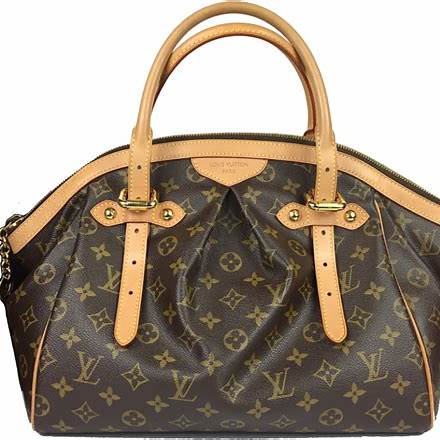
Now fast forward a bit—Louis’s son, Georges Vuitton, steps into the spotlight and brings with him one of the most iconic fashion moves ever:
the LV monogram canvas. Introduced in 1896, it wasn’t just about style—it was a smart way to fight off copycats. (Spoiler: it didn’t stop
knockoffs, but it did create one of the most recognizable logos in the world.)
That monogram wasn’t just slapped onto trunks. Over time, it spread like wildfire—onto handbags, wallets, shoes, and eventually entire
runway looks.
The Birth of the It-Bag
In the mid-1900s, Louis Vuitton stepped into the handbag game. And oh boy, did they crush it. Pieces like the Speedy, Neverfull, and Alma
weren’t just bags—they were status symbols. Audrey Hepburn even asked for a smaller version of the Speedy, and boom: the Speedy 25 was
born. (Yes, that’s how iconic she was.)
Each bag was meticulously crafted, built to last, and oh-so-chic. What started as travel gear became a symbol of elegance, independence, and
quiet luxury.
A Global Fashion Titan
Today, Louis Vuitton is more than a purse brand—it’s a cultural behemoth. It’s part of the LVMH group (home to Dior, Fendi, Givenchy, and
more), and its bags have graced the arms of everyone from Beyoncé to Gisele.
And while the brand has evolved with edgy collaborations (shoutout to the Supreme drop and Pharrell’s recent direction), it’s still grounded in
that 1854 spirit: blending craftsmanship, innovation, and style like nobody else.
Why We Still Love It
So why does Louis Vuitton continue to dominate, even in a sea of new designers? Simple:
Timeless designs
Impeccable quality
That it-girl energy
And let’s be real… it just feels good to carry one.
Whether you’re vintage-obsessed or buying your first bag fresh off the boutique shelf, owning a Louis Vuitton is like joining a legacy—one
crafted from trunks and dreams.
Final Thought:
In the world of fast fashion and fleeting trends, Louis Vuitton reminds us what it means to build something legendary. It’s not just about a logo
—it’s about the story behind it. And Louis Vuitton’s story? It’s one for the ages.