
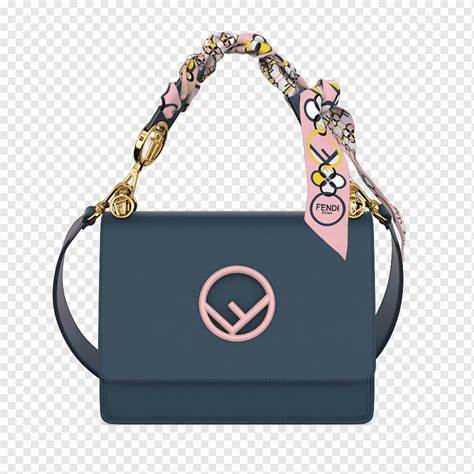
Some brands define fashion. Fendi? It defined how we carry fashion. With its iconic silhouettes, Italian heritage, and love for bold
textures and detail, Fendi has held its crown for nearly a century. And in the world of handbags, it’s been serving iconic moment after
iconic moment since before most of us were born.
Let’s dig into how this house of fur became a global fashion powerhouse—and how it created the bag that Carrie Bradshaw would
literally get mugged over.
Roman Origins with a Flair for Fur
Fendi was founded in 1925 in Rome by Adele and Edoardo Fendi. It began as a boutique for leather and fur goods—a specialty that
would become the brand’s defining DNA. By the 1940s, all five Fendi daughters had joined the family business, turning it into a
matriarchal empire before that was even a thing.
But the real turning point came in 1965, when a young, ambitious designer named Karl Lagerfeld joined the house. Yes, that Karl. He
came in hot, transforming fur from stiff and serious into light, playful, and fashion-forward. Under his creative vision, Fendi became
the name in luxury fur and, eventually, ready-to-wear.
The Baguette: A Bag Worth Fighting For
Let’s talk about the moment Fendi officially entered handbag immortality. It’s 1997, and Fendi drops a new shoulder bag—slim, chic,
and just the right size to tuck under your arm like a loaf of French bread. Thus, the Baguette was born.
But it didn’t truly explode until Sex and the City. In one episode, Carrie gets mugged and pleads with the thief, “It’s a Baguette!” The
line became fashion folklore.
Suddenly, the Baguette wasn’t just a bag—it was a pop culture icon.
Today, there are countless variations of the Baguette: sequins, embroidery, shearling, velvet, even micro and nano versions. And Fendi
has since added more icons to the family:
Peekaboo: A structured, ladylike top-handle bag with a secret glimpse inside—sophisticated and sly.
Sunshine Shopper: A bold, logo-heavy tote that makes everyday errands feel like a runway moment.
Fendigraphy: A curved, crescent-shaped hobo bag with giant FENDI lettering that somehow feels retro and futuristic.
The Craft: Drama, Detail, and Design
Fendi has always been about elevating technique. Whether it’s hand-stitched Selleria leather or artisanal beading that takes hundreds
of hours, every bag is built like a work of art. And the materials? Chef’s kiss. Think buttery calfskin, hand-cut shearling, and exotic
skins so luxurious they feel illegal (but aren’t).
And Fendi knows how to keep things playful, too. They’ve dropped bags shaped like lunchboxes, charms shaped like monsters
(remember the Bag Bugs era?), and collaborated with everyone from Versace to Sarah Jessica Parker herself.
Why Fendi Is Still a Power Player
Here’s why Fendi continues to reign in the handbag game:
Heritage meets innovation—they respect tradition while always evolving
Iconic shapes that stick—the Baguette and Peekaboo are forever bags
Impeccable construction—handbags that hold up and turn heads
Luxury with attitude—there’s always a wink, a twist, a bold move
Fendi bags are statement pieces that never feel try-hard. They’re for the woman who walks into the room with a whisper and somehow
leaves a thunderclap.
Final Thought: When in Doubt, Carry Fendi
Fendi is where Roman elegance meets runway rebellion. Whether it’s the structured cool of a Peekaboo or the it-girl magic of a
Baguette, carrying a Fendi isn’t just a style choice—it’s a personality trait.
So if you’re looking for a bag that’s bold, beautiful, and backed by nearly 100 years of fashion history? Say it with me: “It’s a Baguette.”


